

My two cents’ worth: regional television media IS NOT dying, but it needs to be better appreciated and adapted to where viewers are and how they watch news and programs now, and the same goes for decision-makers buying regional media advertising. For media owners, produce content where the audience is, and for advertisers, be seen there.
If that cycle is followed by local communities in the news and media business and the decisions of people buying media advertising, there is no question it can survive, and in fact grow to be where Regional TV once was. It’s happening already in my business.
As an independent news media business owner, I take a keen interest in developments in the national news and media industry.
Like many in the industry, The WIN Corporation’s decision to axe its Northern NSW weekend bulletin was disappointing to me, and the fact that it’s also scaling back from a one-hour to a half-hour news bulletin injects some fear about the future of regional television, but to me, it presents a HUGE opportunity.
There is no doubt that the major networks’ priorities are shifting away from servicing regional areas, but that is why we, as independent media owners, need to step up to fill that void, and that is why advertisers need to shift to realising the opportunity of embracing local independent media organisations whose sole purpose is to rebuild local media to its former glory.
The demand is still there; in fact, research shows regional audiences are feeling starved of genuine grassroots local news and programs.
If you don’t agree with that, I have a highly engaged digital audience that disagrees with you.
In 2018, when I started Fitzmedia, the writing was on the wall that regional television produced by major corporations was scaling back, and then came fears that local publications were also cutting jobs and scaling back distribution, so I saw the opportunity to try to do something about it.
The Warrnambool and wider Southwest are among the fastest-growing regions in Victoria. It’s for that reason why the local and regional news landscape needs to grow with it, not have resources cut.
WIN Ballarat used to have a strong presence in our part of the world, but again, when the Ballarat studio closed, and the bulletin’s production moved to Wollongong, that was another setback for regional communities and not necessarily from a consumer perspective – there was always a sense of pride and prestige for those who WIN did stories on. “I’m going to be on the TV tonight”. There was pride in that, and excitement that a grassroots local news story was going to be featured on a platform that millions watch.
Guess what!? Millions watch Facebook videos, millions watch YouTube, and millions watch TikTok – Millions read their news online, we just need more regional media owners to distribute their content on those platforms – and make it EASY for consumers to consume.
Change the focus when generating revenue from online media at the local and regional level.
When I started Fitzmedia, my focus was on building the audience first. If I thought something would be interesting to my community, I would produce a video news piece about it and post it on my Facebook page.
The first piece I produced was about the return of a steam train on the Melbourne-Warrnambool line when Fitzmedia only had 250 people following it. After that one story, Fitzmedia grew to over 1,500 followers.
So I kept doing it – the audience kept growing, and as it continued to grow, we diversified how we produced ‘television style’ content focused on distributing it.
I was the only one working on that content when we started the company because I couldn’t employ people, but fast forward to today, I have two dedicated journalists (three if you include me) writing and producing video-based news full-time, not to mention two dedicated producers making advertising content to be distributed on that platform. It’s distributed in a similar style to Regional TV news- three nights a week, and while the days of people wanting to be by a TV at 6PM for the news are gone, people know they can watch it on demand when it’s convenient for them.
Content on our Facebook page is now viewed more than 4.8 million times in a 28-day period, all starting with a story about a steam train and published in an easily accessible way for consumers.
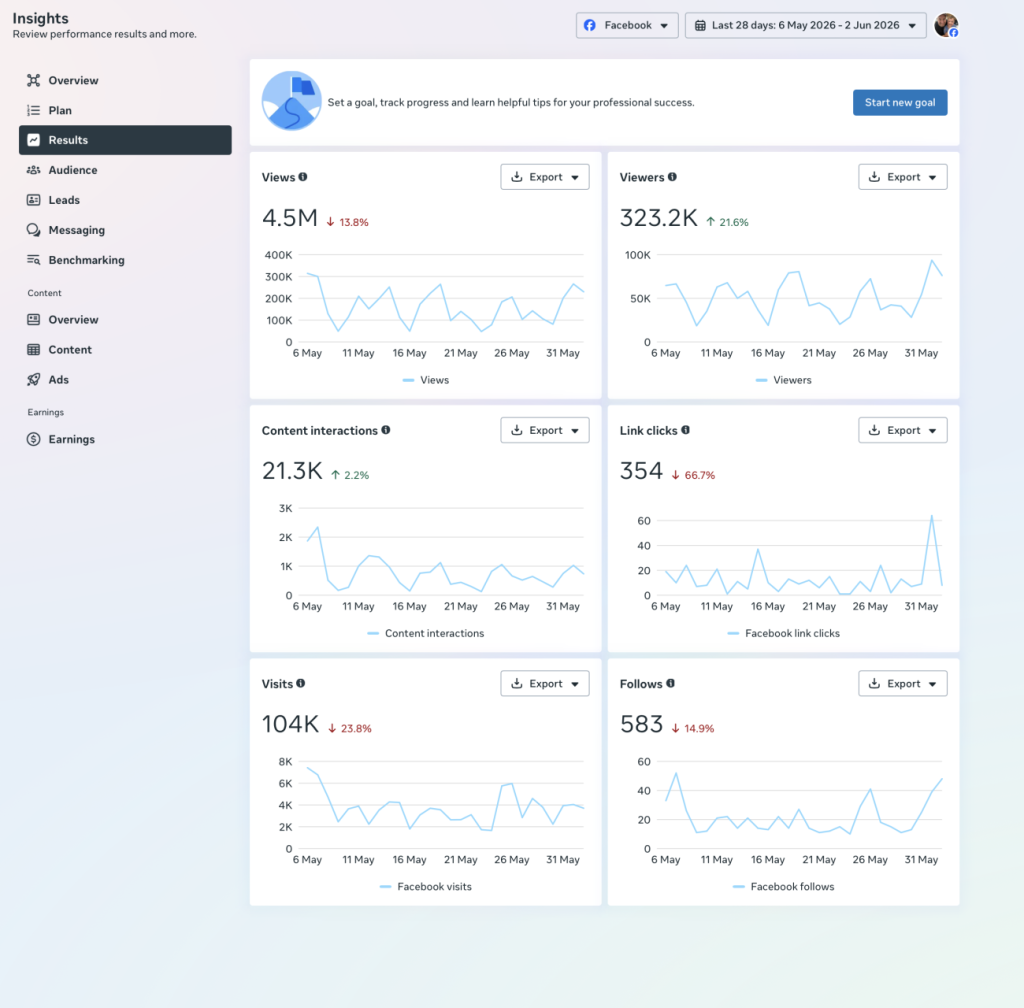
To me, that proves there is a future for Regional TV News, it’s not dying – it needs to be adapted and changed to suit the needs of the audience that consumes it, and it needs to be EASY, ACCESSIBLE, and engaging for the audience it’s produced for – and it needs to be embraced and acknowledged by those buying media advertising so it can remain free for people. FREE-TO-AIR TV distributed online.
Our video business model is kicking goals, people love it, and our brand has grown to be one of the most well-known in the region. It’s trusted, focused on grassroots/hyper-local news, and it’s being engaged with every day.
Finally, we recently launched our online publication business model, southwestlocalnews.com.au, and made a conscious decision to remove paywalls and the need for consumers to log in to read articles. In just three months, the website has reached more than 1,000,000 events, and our articles have been viewed almost 500,000 times. This follows the same mantra I had when I created Fitzmedia’s video news model: make it easy, make it accessible, and make it engaging.
This website also now helps distribute our video/TV based content, combining written and picture based articles. One website, all forms of media content with a huge audience.
We started dabbling in video/tv style programming on Facebook, we have now diversified it to be more web based – so we can monetise it in more ways than we have before.
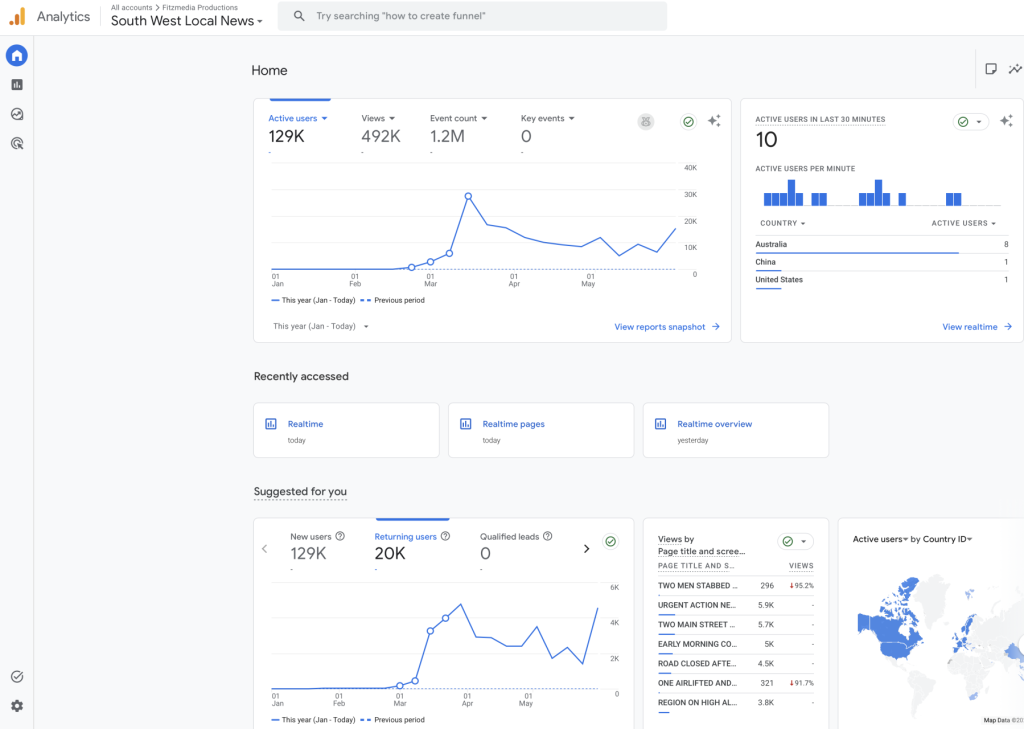
How do we make revenue?? We sell those audience numbers to advertising businesses because that is where their customers are. The numbers prove that.
It’s taking time for that to catch on, and it has been extremely challenging, but it is – and when it does, we, like other independent media outlets in this country, have a HUGE opportunity to prove that Regional Media isn’t dead – it’s being adapted to the modern era of consumer habits.
Long live local and regional news media – the future IS bright, it just needs to be embraced and its power acknowledged.
