

By Courtney Watson
What is this rural Folk Festival? Was it worth coming from the bustling city all the way down to the quiet coastal town of Port Fairy?
The history of the Port Fairy Folk Festival is one that everyone I spoke to was exceptionally proud of. The roots it laid down in Port Fairy spread across the entire town, strengthening their community in a multitude of ways. A smidge of financial, a helping of tourism and a dash of spirit helps the community grow and cook up the 49th serving of the Folkie. Yet what is this continuously successful event truly about? What observations has this young city girl got for you?
The first thing I noticed when I arrived was that it felt like every other festival. A bit anticlimactic perhaps, but it was only a quiet Saturday afternoon, right? Absolutely not. Before I had a chance to get my bearings or figure out which way was up, I was swallowed in the crowds and music, entranced like a child hearing the jingle of an ice-cream truck. There were no boisterous teens or drunk adults trying to do cartwheels or cause a scene, no yelling or arguing. There were just people. People with kids and grandkids. People with stories and love to share. People who welcomed me into their community like I’d always belonged. It did throw me off slightly. From what I knew, disconnect was growing faster than ever before. Yet the folkies threw a blanket on the fire of detachment, connecting people with music, food and a safe place to exist together. This type of community is one that is slowly going extinct, yet to see it firsthand out on the field gave me hope it was being revived, one festival at a time.
The origin story of the folkie begins in 1977. $4 a ticket to watch a bunch of eclectic artists perform on the back of a truck. To bring everyone together to share stories. To share lives. Over time, the festival grew enormously from the humble truck stage. Turns out, everyone and their mother wants in. Humans are naturally group-seeking and thrive off belonging. For that to be at the core of the Folkie is what makes it special. Recently, tickets on average cost around $400. A whopping 9,900 per cent increase, while the festival goers have increased by 7,400 per cent in 49 years. An anonymous netizen commented on the high price of the tickets, writing that ‘music is suppose(d) to bring everyone together, not just the financial, shame on you to the Port Fairy Organisers.’ The disconnect had begun, where the prices left economic barriers on who can and can’t attend. Affordability is the key to accessibility, and controlling who is ‘worthy’ of attending a festival about inclusivity does feel like it goes against what the festival stands for. However, it is not hard to see why the cost is skyrocketing.
The cost-of-living crisis is exactly that, a crisis. A struggle for everyday people to live fairly, where everything becomes a battle of prioritised survival. Inflation on food, rent, petrol and everything else that has a price tag, which includes production costs. Since COVID, live productions have risen between 30-50 percent, and on top of extending the venue to hold the massive amounts of people clawing at the gates, prices are bound to grow. Yet it’s not wrong to say that the bigger it gets, the harder it becomes to reflect the festival’s roots of inclusivity because of the harder-to-reach conditional entry. The price, however, is not a money grab. The festival is a not-for-profit, not just setting the stage for small artists, but also for small communities and clubs to fundraise for their causes. The festival does what it can to support the community.
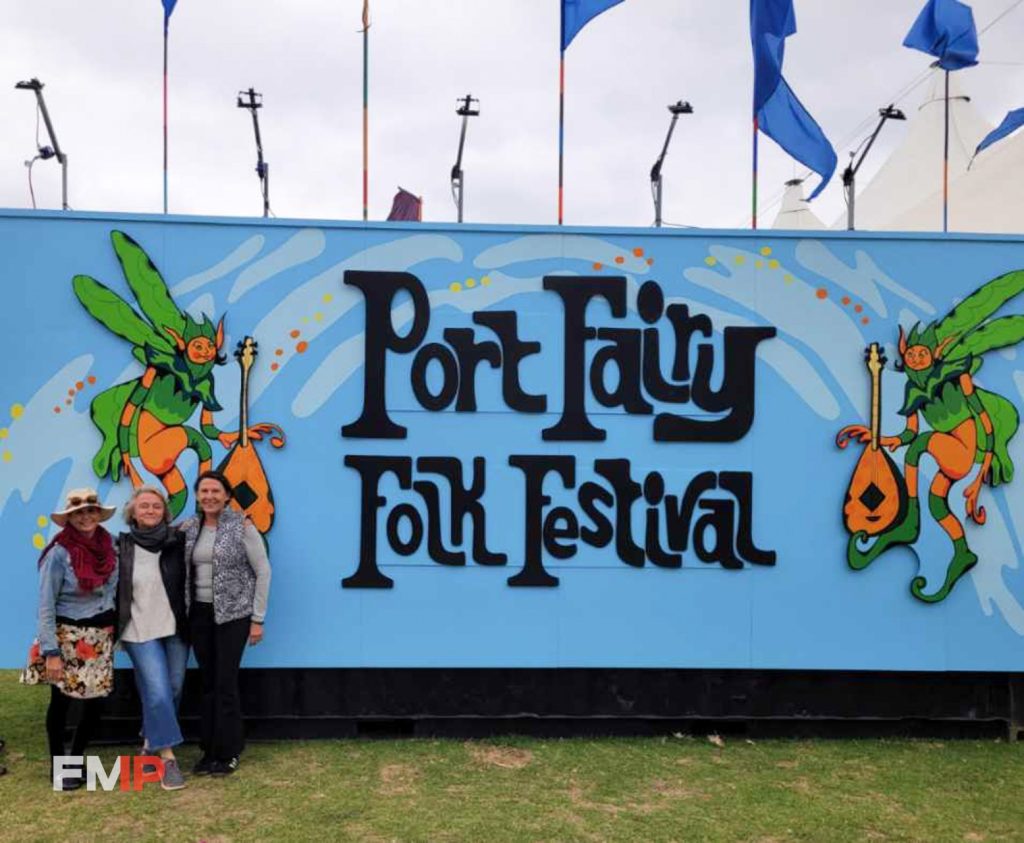
There were three beautiful musketeers I spoke to at the festival, friends for nearly 20 years. Karen, Joan and Janet had their plans to come to the festival last year crushed by Cyclone Alfred in Northern New South Wales. They were ready to ditch everything and drive through the cyclone to make it in time. The Gallery Apartments in Warrnambool honoured their booking for this year, the Folkies gave them half-price tickets, and their plane trip was returned. Everything came together so they themselves could come together and be apart of the magic. The ladies commented on the folkies, saying it’s a ‘hidden gem’ that ‘exceeded their expectations’ and was ‘super impressive.’ They noticed and loved the young artists, and how the folkies gave them a chance to shine and be discovered by new audiences. ‘Two and three generations of families’ come to the festival, and ‘the children are so comfortable’, making it a festival for everyone was the final comment before they escaped my clutches to the next tent.
Georgia, Jack and their entire family have made the folkies a family tradition. Aunties and uncles, cousins, parents and siblings are all drawn together to celebrate each other and bond, following in their mothers’ footsteps of supporting local events. The generational aspect of the folkie is truly what sets it apart from others, with plenty of activities for the children. I did see the teen population giving it a go, although netizens did also comment that for the younger people, there definitely could have been more for them to do during the 4 days.
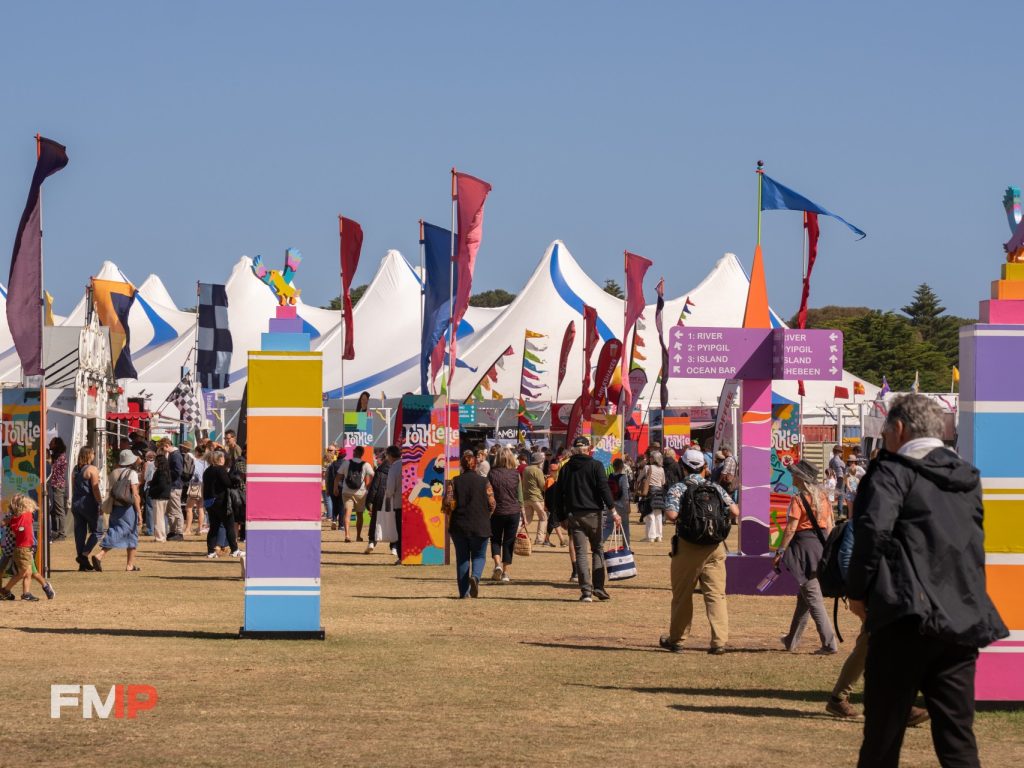
Overall, the festival was a wonderful way to spend the long weekend and stand with a warm community, celebrating music, fun and freedom. The cost-of-living crisis, paired with the covid pandemic, has caused a rippling effect on prices, limiting opportunities for participation. Music should not be limited only to those who can afford it. Volunteering for a free ticket has limited spots, but the Port Fairy locals never let you down in their bars and free stages with live performances to welcome you in.
